

Topical Insulin Eye Drops for Corneal Healing
Recent studies published in Cornea and Ophthalmology and Therapy examine the potential role of topical insulin in treating persistent corneal epithelial defects and neurotrophic keratopathy.
An October 2026 study published in Cornea and a July 2026 study published in Ophthalmology and Therapy reported encouraging corneal epithelial healing outcomes in patients treated with topical insulin 1 unit/mL. These retrospective studies add to the growing body of research investigating topical insulin for difficult-to-heal corneal conditions, although larger prospective clinical trials are needed to establish treatment efficacy.

October 2026 Study: Topical Insulin for Ocular Surface Disease
A retrospective cohort study published October 13, 2026, in Cornea evaluated 57 eyes from 45 patients treated with topical insulin 1 unit/mL four times daily.
The study examined patients with ocular surface conditions, including neurotrophic keratopathy (NK), dry eye disease (DED), and graft-versus-host disease (GVHD).
Key Clinical Findings
Researchers reported encouraging outcomes, particularly among patients with neurotrophic keratopathy:
- 83.9% treatment success among eyes with neurotrophic keratopathy, defined as sufficient clinical improvement to discontinue insulin without requiring alternative treatment.
- 71.4% complete epithelial closure among the 28 eyes with persistent epithelial defects.
- Approximately five weeks average time to complete epithelial closure.
- 42.9% of eyes with neurotrophic keratopathy with available before-and-after visual acuity measurements improved by at least one Snellen line.
Outcomes varied by underlying condition. Treatment success was reported in 44.4% of eyes with dry eye disease and 14.3% of eyes with graft-versus-host disease.
The researchers concluded that topical insulin warrants further investigation, particularly for neurotrophic keratopathy. They emphasized the need for prospective clinical trials to confirm efficacy and determine its role in standardized treatment protocols.
Read the Original Study:
Topical Insulin in the Treatment of Ocular Surface Disease: A Retrospective Cohort Study
Cornea | Published October 13, 2026
Related Professional Coverage:
Topical Insulin May Aid Corneal Healing in Neurotrophic Keratopathy
Review of Optometry | Published October 16, 2026
July 2026 Study: Persistent Corneal Epithelial Defects
A separate multicenter retrospective study published July 3, 2026, in Ophthalmology and Therapy evaluated topical insulin 1 unit/mL in 45 eyes from 43 patients with persistent corneal epithelial defects that had not responded to conventional treatment.
The study included patients with chronic ocular surface disease and neurotrophic keratopathy.
Key Clinical Findings
- 97.8% complete epithelial closure: 44 of 45 eyes achieved complete closure.
- 29 days: Median time to complete epithelial healing.
- Improvement in visual acuity: Median best-corrected visual acuity improved from 2.0 to 1.0 logMAR at epithelial closure.
- No treatment-related adverse events were reported during the study.
Two eyes experienced recurrence of persistent epithelial defects during follow-up, including one that progressed to corneal melting and required surgery.
Although the findings were encouraging, the study’s retrospective design, relatively small sample size, and absence of a randomized control group limit conclusions about treatment effectiveness.
Importantly, this study evaluated insulin lispro, which differs from the regular insulin used in Massey Drugs’ formulation. The shared concentration of 1 unit/mL does not establish equivalence between the preparations.
Read the Original Study:
Topical Insulin for Corneal Persistent Epithelial Defects: A Multicenter Retrospective Study
Ophthalmology and Therapy | Published July 3, 2026
What Does This Research Mean for Ophthalmic Care?
Persistent corneal epithelial defects can be challenging to manage, particularly when conventional therapies fail to achieve complete healing. These conditions may increase the risk of infection, corneal ulceration, stromal melting, and vision loss.
Insulin and insulin-like growth factor receptors are present on corneal epithelial cells and participate in cellular signaling pathways associated with epithelial migration, proliferation, and wound healing.
The recent studies contribute to an expanding body of evidence examining whether topical insulin may have a role in managing persistent epithelial defects and neurotrophic keratopathy.
However, additional prospective, randomized controlled trials are needed to establish optimal treatment protocols, evaluate long-term outcomes, and determine which patients are most likely to benefit.
Interested in Prescribing Compounded Insulin Eye Drops?
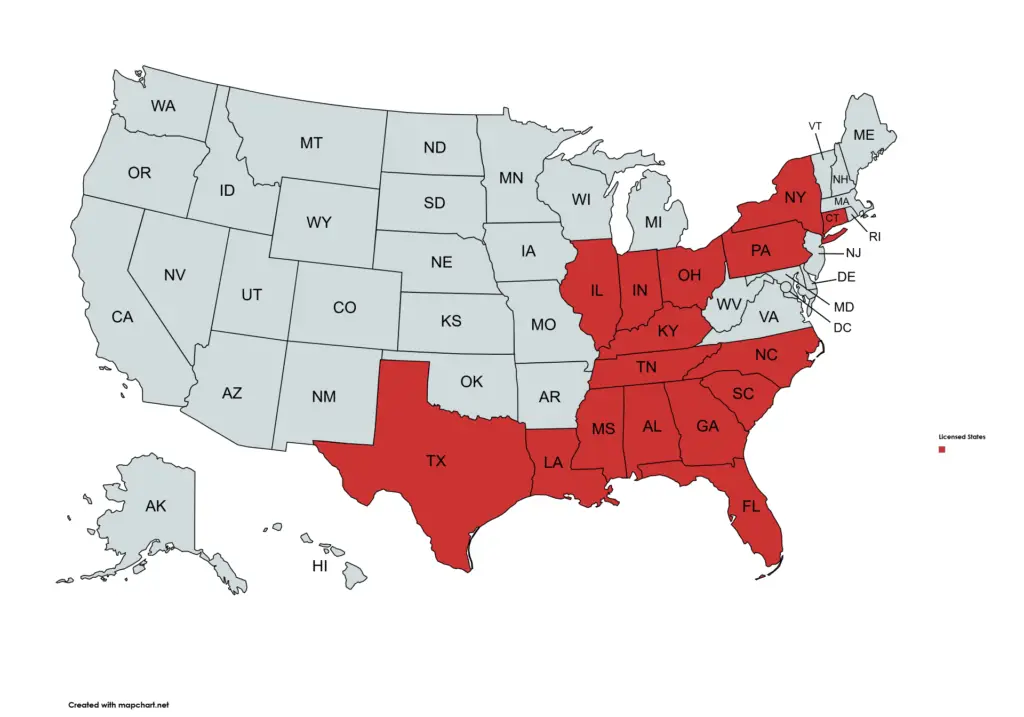
Massey Drugs provides patient-specific sterile ophthalmic compounding services to licensed prescribers in the states we serve: AL, CT, FL, GA, IL, IN, KY, LA, MS, NY, NC, OH, PA, SC, TN, TX.
Insulin R 1 unit/mL Ophthalmic Solution is available in an 8 mL bottle for $125, plus $30 required UPS Next Day Air shipping, for a total patient cost of $155.
Download a prescription blank from the Practitioner Portal, call in a prescription at 833-540-3500 or e-scribe at:
Massey Drugs – Cloverdale Road
NPI#: 1295756245
NCPDP#: 0127553
Clinical Disclaimer: This article is intended for healthcare professional education. Compounded medications are not FDA-approved, and the FDA does not review their safety, effectiveness, or quality. Compounding pharmacies must comply with applicable federal and state requirements and pharmacy practice standards. The studies discussed in this article did not evaluate Massey Drugs’ specific compounded insulin ophthalmic formulation. Published findings should not be interpreted as establishing the safety or efficacy of Massey’s product. Treatment decisions remain the responsibility of the prescribing clinician.