

Naltrexone HCl 0.002% Preservative-Free Ophthalmic Solution
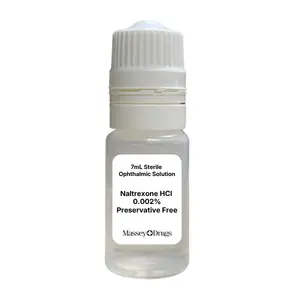
Quantity: 7 mL
Price: $60 + UPS Ground Shipping
Sig: Place one drop in affected eye(s) 2 to 4 times daily or as directed
Sterile compounded ophthalmic preparation available by prescription. The FDA does not review any compounded medication for safety or efficacy.
Massey Drugs compounds Naltrexone HCl Ophthalmic Solution 0.002%, a sterile, preservative-free eye drop available by prescription.
Topical naltrexone is being investigated for its potential applications in ocular surface conditions, including dry eye disease. While preliminary research has generated clinical interest, additional human studies are needed to establish its safety and effectiveness for specific ophthalmic conditions.
What Is Naltrexone Ophthalmic Solution?
Naltrexone is an opioid receptor antagonist historically approved in high oral doses for the treatment of opioid and alcohol dependence. When used systemically at standard doses, its effects are primarily central.
When compounded and administered topically to the eye at ultra-low concentrations, naltrexone appears to exhibit distinctly different biological effects. Low-dose naltrexone ophthalmic solution is being investigated for its role in modulating ocular inflammation, nociception, and corneal healing pathways, making compounding necessary for ophthalmic use.
Naltrexone eye drops are a compounded therapy being explored by ophthalmologists as an adjunctive treatment for inflammatory and neuropathic ocular surface disorders, including dry eye disease.
Mechanism of Action on the Cornea
When applied topically in low doses, naltrexone is thought to influence corneal health through two primary pathways:
- Toll-Like Receptor (TLR) modulation
Downregulates immune activation and nociceptive signaling, which may reduce inflammation and ocular pain responses. - Opioid Growth Factor Receptor (OGFr) blockade
Supports regulation, organization, and regeneration of corneal tissue during healing.
Through these mechanisms, naltrexone eye drops may help normalize inflammatory signaling and support corneal repair in compromised ocular surfaces.
Potential Uses of Naltrexone Eye Drops (LDN)
Published research and emerging clinical experience describe the use of compounded low-dose naltrexone eye drops in patients with inflammatory or neuropathic ocular surface conditions, including:
Dry Eye Disease: Researchers are exploring whether topical naltrexone may influence pathways associated with ocular surface inflammation and discomfort.
Corneal Epithelial Healing: Preclinical studies have examined the opioid growth factor receptor pathway and its potential relationship to corneal epithelial repair.
Diabetic Keratopathy: Experimental research has investigated topical naltrexone in relation to impaired corneal wound healing associated with diabetes.
Neuropathic Corneal Pain: Low-dose naltrexone has generated interest in pain management research, although evidence from oral formulations should not be assumed to apply to ophthalmic preparations.
These applications remain investigational. LDN ophthalmic solution is not considered a first-line therapy, but rather an adjunctive option in selected patients where inflammation or pain persists despite conventional treatment.
Preservative-Free Naltrexone Eye Drops | Sterile Compounding
Massey Drugs compounds Naltrexone HCl 0.002% Ophthalmic Solution as a sterile, preservative-free preparation for patient-specific prescriptions.
Preservative-free eye drops may be particularly beneficial for patients with:
Sensitive or compromised ocular surfaces
Conditions requiring frequent or repeated eye drop administration
A history of sensitivity to ophthalmic preservatives
Ocular surface irritation associated with preservatives such as benzalkonium chloride (BAK)
By eliminating added preservatives, this formulation avoids exposure to preservative ingredients that may contribute to ocular surface irritation in susceptible patients.
Our sterile ophthalmic compounding services support ophthalmologists seeking individualized prescription options for patients with specialized treatment needs.
Research on Naltrexone and Diabetic Dry Eye
New research is exploring how opioid receptor pathways may influence diabetic dry eye and corneal surface health. A recent study published in Investigative Ophthalmology & Visual Science, Feb. 2026, Vol.67, 23 investigating topical naltrexone in diabetic corneal disease found that modulation of the opioid growth factor receptor pathway may help reduce oxidative stress and support corneal epithelial healing. These findings add to the growing body of research examining potential therapies being studied for diabetic dry eye and ocular surface disease. READ THE STUDY
Why Ophthalmologists Choose Massey Drugs
- Experienced sterile compounding laboratory for ophthalmic preparations
- Preservative-free naltrexone eye drops prepared for patient-specific prescriptions
- Direct pharmacist access for formulation and clinical questions
- Familiarity with inflammatory and neuropathic ocular conditions
Prescriptions typically processed within 24–48 hours after patient confirmation and payment
- NABP Accredited Compounding Pharmacy
States We Serve
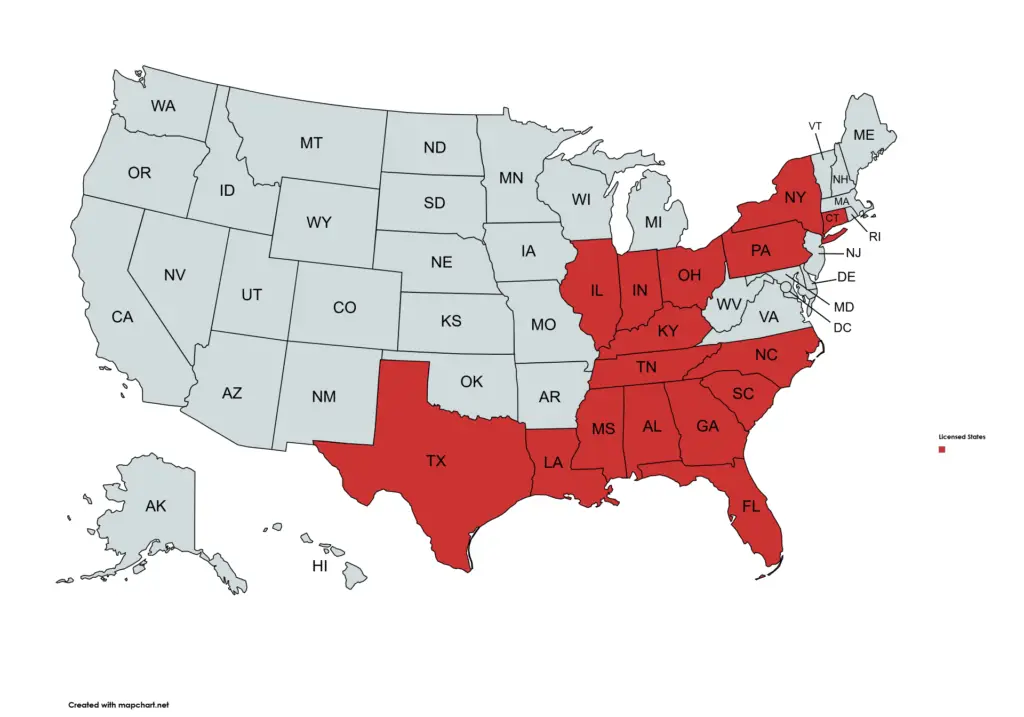
Massey Drugs is an NABP-accredited sterile ophthalmic compounding pharmacy licensed to dispense and ship patient-specific prescriptions, including Naltrexone HCl 0.002% Preservative-Free Ophthalmic Solution, to patients in 16 states:
Alabama, Tennessee, Mississippi, Louisiana, Georgia, Florida, North Carolina, South Carolina, Kentucky, Illinois, Indiana, Ohio, Pennsylvania, New York, Connecticut, and Texas.
Ophthalmologists and eye care practices in these states can contact Massey Drugs for information about compounded naltrexone eye drops, prescribing requirements, and prescription fulfillment.
How to Prescribe Naltrexone Eye Drops (LDN)
Download Rx Blank from the Practitioner Portal and send to Massey Drugs:
FAX: 800.637.2601
Phone: 833.540.3500
OR
e-Scribe: NPI#: 1295756245 | NCPDP#: 0127553
Massey Drugs | Cloverdale Road
Upon receipt of prescription, Massey Drugs contacts the patient to confirm shipping address and credit card payment.
Once the patient’s shipping address and payment are confirmed, prescriptions are typically processed and shipped within 24–48 hours.
Massey Drugs provides competitively priced compounded ophthalmic eye drops with transparent, prescriber-accessible pricing.
All compound pricing can be viewed in our Practitioner Portal so costs can be communicated to patients before prescribing.
Speak with a Pharmacist
Our pharmacists are available to discuss Naltrexone HCl 0.002% Preservative-Free Ophthalmic Solution, formulation details, prescription requirements, storage, and dispensing considerations.
Call 833-540-3500 to speak directly with a Massey Drugs pharmacist.
Frequently Asked Questions
Can naltrexone eye drops be used with other prescription eye drops?
Naltrexone eye drops may be prescribed alongside other ophthalmic medications when the treating provider determines the combination is appropriate.
Patients should inform their ophthalmologist about all prescription eye drops, over-the-counter eye products, and other medications they use. The prescriber or pharmacist can advise on administration timing and whether the products should be separated.
Do naltrexone eye drops need to be refrigerated?
Storage requirements depend on the specific compounded formulation and its assigned beyond-use date.
Patients should follow the storage instructions printed on their prescription label. For questions about storing Massey Drugs’ Naltrexone HCl 0.002% Ophthalmic Solution, contact our pharmacy at 833-540-3500.
Can patients wear contact lenses while using naltrexone eye drops?
Patients should consult their ophthalmologist before using contact lenses during treatment with compounded naltrexone eye drops.
Whether contact lenses can be worn depends on the underlying eye condition, the prescribed treatment plan, and the provider’s instructions.
What side effects should patients watch for when using naltrexone eye drops?
Clinical safety information for topical naltrexone remains limited. Patients should report new or worsening eye discomfort, redness, irritation, or changes in vision to their prescribing ophthalmologist.
Severe eye pain or sudden vision changes require prompt medical evaluation.
Can naltrexone eye drops be used in both eyes?
Yes, when prescribed for both eyes. The ophthalmologist determines whether treatment is appropriate for one or both eyes based on the patient’s diagnosis and clinical findings. Patients should follow the directions on their prescription label and avoid using the medication in an untreated eye unless instructed by their provider.
Is Low-Dose Naltrexone Ophthalmic Solution a Standard Treatment?
No. Low-dose naltrexone (LDN) eye drops are not an established standard treatment for ocular surface disease, and there is currently no FDA-approved naltrexone ophthalmic product.
Topical naltrexone is being investigated for potential applications involving corneal healing, ocular surface inflammation, and discomfort. Although preliminary research provides a rationale for further study, additional human clinical trials are needed to establish its safety and effectiveness.
Massey Drugs compounds Naltrexone HCl 0.002% Preservative-Free Ophthalmic Solution for patient-specific prescriptions. Like all compounded medications, this preparation is not FDA-approved.

References
- Study examines how topical naltrexone restores tear production in diabetic dry eye
Ophthalmology Times (clinical news/summary) - Topical naltrexone for dry eye disease: A randomized, double-masked, placebo-controlled study
Journal reference indexed on PubMed (2021) - Low-dose naltrexone therapy an option for neuropathic corneal pain
Ophthalmology Advisor (clinical news/therapy overview)
Additional Ophthalmic Compounding Capabilities
We compound additional sterile ophthalmic therapies used for:
- Post-operative Care
- Emergency & Infection Management
- Emergency & Corneal Scarring Support
- Glaucoma Compounding
- Myopia Management
Explore our full range of ophthalmic compounding capabilities.