

Losartan Potassium 0.8 mg/mL Ophthalmic Solution
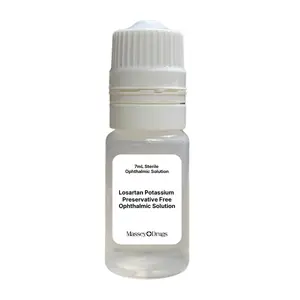
Sterile and Preservative Free
Quantity: 8 mL
Price: $70 + shipping. Login to the Practitioner Portal for all ophthalmic compound pricing.
Sig: 1 drop in affected eye(s) 4–6 times daily
Sterile compounded ophthalmic preparation available by prescription. The FDA does not review any compounded medication for safety or efficacy.
What is Losartan Ophthalmic Solution?
Losartan ophthalmic solution is an emerging compounded therapy being explored by ophthalmologists for the management of corneal scarring and fibrosis-related ocular conditions, particularly following injury, infection, or surgery.
At Massey Drugs, we compound preservative-free losartan eye drops in our sterile compounding laboratory for ophthalmologists seeking a targeted, non-steroidal approach to modulating corneal fibrosis.
Losartan is an angiotensin II receptor blocker (ARB) widely used orally for hypertension and renal disease. When taken systemically, only negligible amounts reach ocular tissues. However, when compounded as a topical ophthalmic solution, losartan is being studied for its anti-fibrotic effects in the cornea.
Topical losartan eye drops are not commercially available and must be prepared by a compounding pharmacy with sterile ophthalmic capabilities.
What is the Mechanism of Action in the Cornea?
Corneal scarring is driven in part by the transformation of keratocytes into myofibroblasts, which produce disorganized collagen and permanent stromal opacity.
When administered ophthalmically, losartan has been shown to:
Interfere with TGF-β signaling
Inhibit myofibroblast formation
Reduce abnormal collagen deposition
Support clearer corneal remodeling during healing
This mechanism makes topical losartan of interest in situations where fibrosis—not infection—is the limiting factor to visual recovery.
Clinical Scenarios Where Ophthalmologists Explore Topical Losartan
Ophthalmologists may explore compounded losartan eye drops in clinical scenarios involving corneal fibrosis or stromal scarring, including:
- Keratoconus with corneal scarring or stromal fibrosis
- Post-surgical corneal haze or scarring
- Traumatic corneal injuries
- Microbial keratitis with residual stromal scarring
- Persistent corneal epithelial defects
- Chemical or thermal corneal burns
While losartan is a well established hypertension medication, ophthalmic formulations are showing promising research and are only available from a compounding pharmacy.
Preservative-Free Ophthalmic Compounding

All losartan eye drops compounded at Massey Drugs are prepared as preservative-free ophthalmic solutions, designed to minimize:
Ocular surface toxicity
Preservative-related inflammation
Irritation with frequent dosing
Preservative-free formulations are particularly important in patients requiring multiple daily administrations or those with compromised corneal surfaces.
Why Ophthalmologists Choose Massey Drugs
- Sterile compounding laboratory experienced in ophthalmic preparations
- Preservative-free formulations tailored for ocular use
- Direct pharmacist access for clinical questions
- Fast turnaround with patient shipment typically within 24–48 hours
- Experience working with corneal specialists and surgical practices
- NABP Accredited Compounding Pharmacy
States We Serve
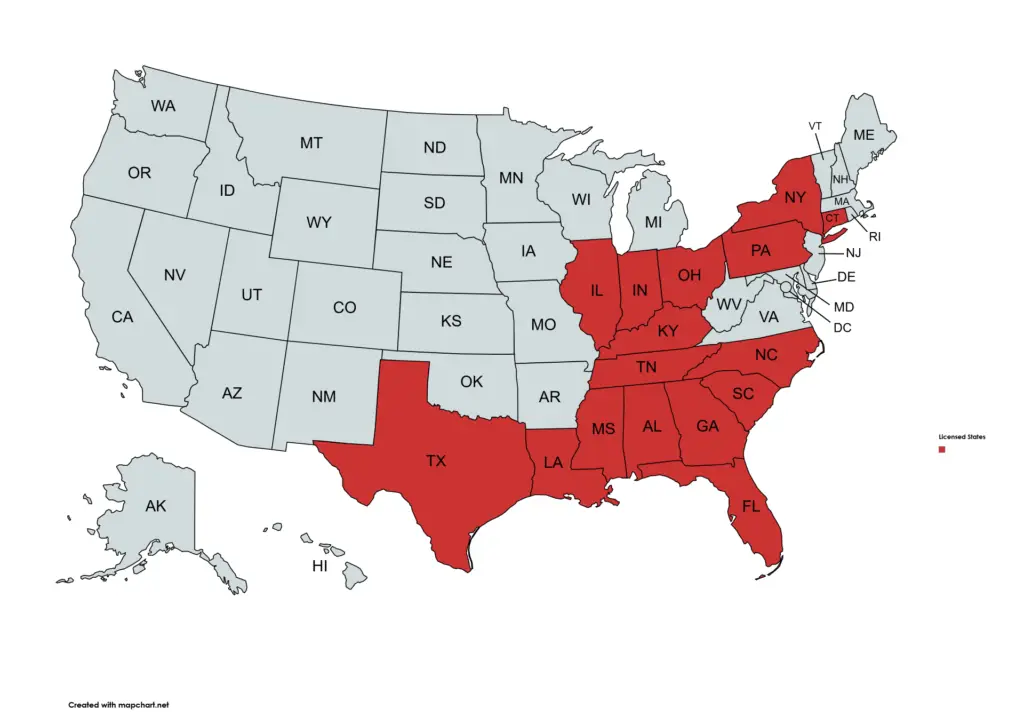
Massey Drugs is a sterile ophthalmic compounding pharmacy licensed to ship losartan ophthalmic solution to patients in: Alabama, Tennessee, Mississippi, Louisiana, Georgia, Florida, North Carolina, South Carolina, Kentucky, Illinois, Indiana, Ohio, Pennsylvania, New York, Connecticut, and Texas.
How to Prescribe Losartan Eye Drops
Download Rx Blank from the Practitioner Portal and send to Massey Drugs:
FAX: 800.637.2601
Phone: 833.540.3500
OR
e-Scribe: NPI#: 1295756245 | NCPCP#: 0127553
Massey Drugs | Cloverdale Road
Upon receipt of prescription, Massey Drugs contacts the patient to confirm shipping address and credit card payment.
Medication ships to patient in 24-48 hours
once processed.
Massey Drugs provides competitively priced compounded ophthalmic eye drops with transparent, prescriber-accessible pricing. All compound pricing can be viewed in our Practitioner Portal so costs can be communicated to patients before prescribing.
Speak with a Pharmacist
If you have questions about losartan ophthalmic compounding, formulation options, or whether this therapy may be appropriate for a specific clinical scenario, our pharmacists are available to consult. Call 833-540-3500 or contact us.
Frequentley Asked Questions
Can losartan eye drops be used after corneal surgery or injury?
In some clinical settings, ophthalmologists may consider topical losartan following corneal procedures or injuries associated with stromal fibrosis or haze. Timing and appropriateness depend on factors such as epithelial healing status, infection risk, and the underlying cause of corneal scarring. Treatment decisions should be individualized based on slit-lamp findings and visual impact.
What types of corneal scars respond best to topical losartan?
Emerging clinical experience suggests that losartan may be most helpful in corneal haze or fibrosis driven by myofibroblast activity rather than surface irregularity alone. In cases where significant structural irregularity is present, surgical smoothing procedures may be considered before or alongside medical therapy. (Cleveland Clinic)
Is topical losartan typically used alone or with other therapies?
Losartan ophthalmic solution is often incorporated into broader treatment plans that may include anti-inflammatory agents, antibiotics, lubrication, or nutritional support depending on the etiology of the corneal condition. Combination therapy may help address multiple pathways involved in corneal healing and fibrosis.
How is treatment response monitored when using losartan eye drops?
Ophthalmologists commonly monitor visual acuity trends, glare symptoms, and slit-lamp findings such as scar density or depth. Serial photography or corneal imaging may also be used to track fibrosis changes and guide treatment duration or adjustments.
What happens if corneal haze does not improve with losartan therapy?
If there is minimal clinical response after an adequate trial period, physicians may reassess the diagnosis, optimize adjunctive therapies, or consider procedural interventions such as phototherapeutic keratectomy or corneal transplantation in more advanced cases.

References
The following references are provided for clinical background and educational purposes.
- Topical losartan inhibits corneal scarring fibrosis and collagen type IV deposition after Descemet’s membrane-endothelial excision in rabbits Experimental Eye Research, 2022. (PubMed)
- Topical Losartan for Treating Corneal Fibrosis (Haze)
Journal of Refractive Surgery, 2022. (Healio) - How to Use Topical Losartan to Treat Cornea Damage
Cleveland Clinic — Consult QD
Additional Ophthalmic Compounding Capabilities
We compound additional sterile ophthalmic therapies used for:
- Post-operative Care
- Emergency & Infection Management
- Emergency & Corneal Scarring Support
- Glaucoma Compounding
- Myopia Management
Explore our full range of ophthalmic compounding capabilities.