

Low-Dose Naltrexone HCl 0.002% Preservative-Free Ophthalmic Solution
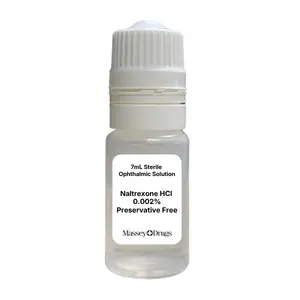
Quantity: 7 mL
Price: Call 833.540.3500 or login to the Practitioner Portal for pricing.
Sig: Place one drop in affected eye(s) 2 to 4 times daily or as directed
Sterile compounded ophthalmic preparation available by prescription. The FDA does not review any compounded medication for safety or efficacy.
What Is Low-Dose Naltrexone Ophthalmic Solution?
Naltrexone is an opioid receptor antagonist historically approved in high oral doses for the treatment of opioid and alcohol dependence. When used systemically at standard doses, its effects are primarily central.
When compounded and administered topically to the eye at ultra-low concentrations, naltrexone appears to exhibit distinctly different biological effects. Low-dose naltrexone ophthalmic solution is being investigated for its role in modulating ocular inflammation, nociception, and corneal healing pathways, making compounding necessary for ophthalmic use.
Naltrexone is a compounded therapy being explored by ophthalmologists as an adjunctive treatment for inflammatory and neuropathic ocular surface disorders, including dry eye disease.
Mechanism of Action on the Cornea
When applied topically in low doses, naltrexone is thought to influence corneal health through two primary pathways:
- Toll-Like Receptor (TLR) modulation
Downregulates immune activation and nociceptive signaling, which may reduce inflammation and ocular pain responses. - Opioid Growth Factor Receptor (OGFr) blockade
Supports regulation, organization, and regeneration of corneal tissue during healing.
Through these mechanisms, LDN may help normalize inflammatory signaling and support corneal repair in compromised ocular surfaces.
Clinical Scenarios Where Ophthalmologists Use Topical LDN
Published research and emerging clinical experience describe the use of compounded LDN eye drops in patients with inflammatory or neuropathic ocular surface conditions, including:
- Dry eye disease (DED)
- Neuropathic corneal pain (NCP)
- Diabetic keratopathy
- Post-surgical ocular inflammation
- Uveitis
LDN ophthalmic solution is not considered a first-line therapy, but rather an adjunctive option in selected patients where inflammation or pain persists despite conventional treatment.
Is Low-Dose Naltrexone Ophthalmic Solution a Standard Treatment?
No. LDN ophthalmic solution is not FDA-approved and is not commercially available.
Its ophthalmic use is supported by emerging research and early clinical experience. As with all compounded medications, the FDA does not evaluate LDN eye drops for safety or efficacy.
Preservative-Free Sterile Ophthalmic Compounding
LDN eye drops compounded at Massey Drugs are prepared as a preservative-free (PF) sterile ophthalmic solution designed for ocular use. PF formulation is essential due to:
- Chronic or repeated dosing
- Compromised ocular surfaces
- Increased risk of irritation and toxicity from preservatives such as BAK
Preservative-free formulation is intended to support tolerability in patients requiring ongoing therapy.
Research on Naltrexone and Diabetic Dry Eye
New research is exploring how opioid receptor pathways may influence diabetic dry eye and corneal surface health. A recent study published in Investigative Ophthalmology & Visual Science, Feb. 2026, Vol.67, 23 investigating topical naltrexone in diabetic corneal disease found that modulation of the opioid growth factor receptor pathway may help reduce oxidative stress and support corneal epithelial healing. These findings add to the growing body of research examining potential therapies being studied for diabetic dry eye and ocular surface disease. READ THE STUDY
Why Ophthalmologists Choose Massey Drugs
- Experienced sterile compounding laboratory for ophthalmic preparations
- Preservative-free formulations for chronic ocular use
- Direct pharmacist access for formulation and clinical questions
- Familiarity with inflammatory and neuropathic ocular conditions
- 24–48 hour shipping to patients in licensed states
- NABP Accredited Compounding Pharmacy
States We Serve
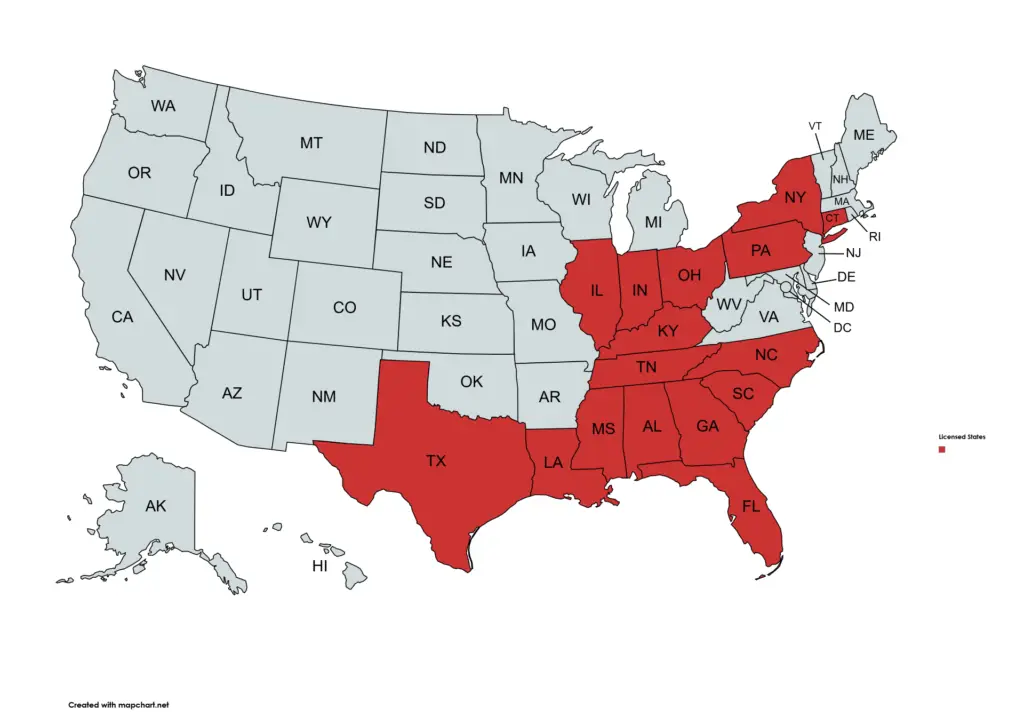
Massey Drugs is a sterile ophthalmic compounding pharmacy licensed to ship ophthalmic solutions to patients in: Alabama, Tennessee, Mississippi, Louisiana, Georgia, Florida, North Carolina, South Carolina, Kentucky, Illinois, Indiana, Ohio, Pennsylvania, New York, Connecticut, and Texas.
How to Prescribe Low-Dose Naltrexone Ophthalmic Solution
Download Rx Blank from the Practitioner Portal and send to Massey Drugs:
FAX: 800.637.2601
Phone: 833.540.3500
OR
e-Scribe: NPI#: 1295756245 | NCPCP#: 0127553
Massey Drugs | Cloverdale Road
Upon receipt of prescription, Massey Drugs contacts the patient to confirm shipping address and credit card payment.
Medication ships to patient in
24-48 hours once processed.
Massey Drugs provides competitively priced compounded ophthalmic eye drops with transparent, prescriber-accessible pricing.
All compound pricing can be viewed in our Practitioner Portal so costs can be communicated to patients before prescribing.
Speak with a Pharmacist
If you have questions about low-dose naltrexone ophthalmic compounding, dosing considerations, or appropriate clinical use, our pharmacists are available to consult.
Call 833-540-3500 to speak directly with a pharmacist.

References
- Study examines how topical naltrexone restores tear production in diabetic dry eye
Ophthalmology Times (clinical news/summary) - Topical naltrexone for dry eye disease: A randomized, double-masked, placebo-controlled study
Journal reference indexed on PubMed (2021) - Low-dose naltrexone therapy an option for neuropathic corneal pain
Ophthalmology Advisor (clinical news/therapy overview)
Additional Ophthalmic Compounding Capabilities
We compound additional sterile ophthalmic therapies used for:
- Post-operative Care
- Emergency & Infection Management
- Emergency & Corneal Scarring Support
- Glaucoma Compounding
- Myopia Management
Explore our full range of ophthalmic compounding capabilities.