

Carrier Oil Comparison for Testosterone Injections: Ethyl Oleate vs. Grapeseed Oil vs. Cottonseed Oil
When prescribing compounded testosterone cypionate injections, the choice of carrier oil directly affects viscosity, injection comfort, absorption, and patient tolerance. Below is a clinical comparison of three commonly used carriers: Ethyl Oleate, Grapeseed Oil, and Cottonseed Oil.

Targeted Therapy Starts with the Right Organism: Causative Organism Identification Support at Massey Drugs
When treating infectious conditions—especially in ophthalmology, ENT, or wound care—empiric therapy can only go so far. Knowing the exact causative organism allows for more effective, targeted treatment & reduces the risk of resistance, toxicity, or treatment failure. That’s where we come in.

Why Reading Your Medication Instructions Carefully Could Save Your Life—and Prevent Serious Mistakes
A recent case from the Centers for Disease Control and Prevention (CDC) serves as a sobering reminder: following the instructions that come with your medication isn’t just important—it can be lifesaving.

Your Compounding Pharmacist is An Ally
Most prescribers don’t think twice about sending prescriptions to a retail pharmacy—but compounding is different. It’s not just about filling an order; it’s about formulating a solution.

Testosterone Therapy May Lower Hip Fracture Risk
A new study published in the Journal of the American Academy of Orthopaedic Surgeons highlights a potential benefit of testosterone replacement therapy beyond symptom relief—stronger bones. Researchers found that patients on TRT were significantly less likely to experience hip fractures compared to those not on therapy.

Same Prescription. Different Pharmacies. Different Results?
Two patients can receive the same compounded prescription—same dose, same form, same instructions—but have very different outcomes. One responds well, the other sees little improvement. Often, the difference comes down to an unseen but critical factor: the quality of the Active Pharmaceutical Ingredient (API).
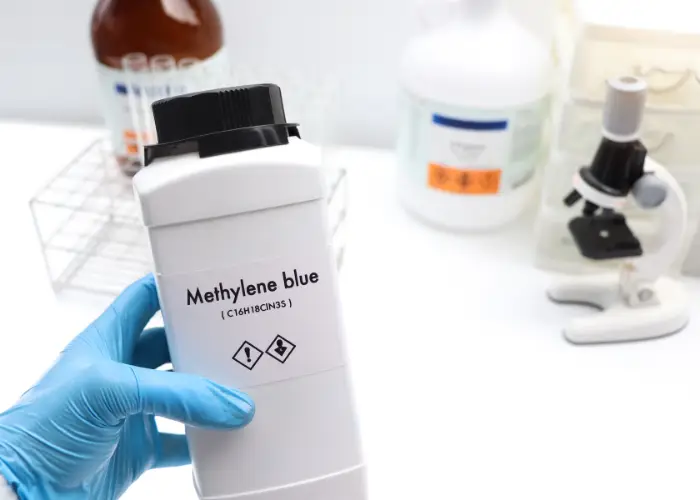
Why You Should Use Pharmaceutical-Grade Methylene Blue
Methylene blue is drawing attention for its potential clinical uses, but not all forms are made for human use. This article explains why pharmaceutical (USP) grade matters and what sets it apart from lower-grade products.
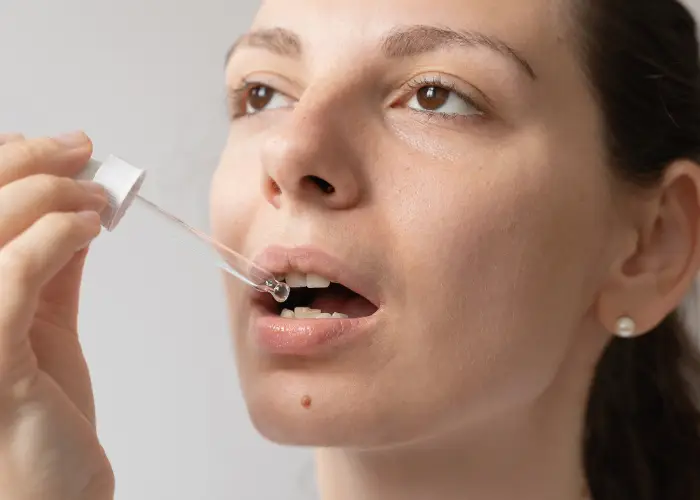
Rethinking Women’s HRT Delivery: Why Sublingual Suspensions Stand Out
Hormone replacement therapy isn’t one-size-fits-all. From injections and creams to troches and capsules, each option has its advantages and limitations. At Massey Drugs, we focus on tailoring therapy to each woman’s needs. One option that stands out for its flexibility and precision is the sublingual suspension—a compounded delivery method designed to make HRT both convenient and customizable.

What Affects Compounded Medication Cost?
Compounded medications are customized for each patient, offering benefits like precise dosing and alternative forms. But this personalization also means pricing isn’t one-size-fits-all. Several factors influence the final cost of a compounded prescription.

To Flush—or Not to Flush: What Medications Can Safely Go Down the Toilet
When it comes to getting rid of unused or expired medications, one of the most common questions is: “Is it okay to flush them?” The answer isn’t always simple. The U.S. Food and Drug Administration (FDA) provides specific guidance on which medications are safe to flush—and which should never go down the drain.

Researchers Link NAD+ to Cognitive Health, Longevity, and Disease Prevention
As we age, levels of NAD+ — a molecule essential for energy and cellular repair — naturally decline. Emerging research suggests that restoring NAD+ may support cognitive health, protect against neurodegenerative disease, and promote healthy aging. Here’s what prescribers should know about the potential benefits, risks, and therapeutic options.

FDA Removes Boxed Warnings on HRT
Recent regulatory changes may impact how you discuss hormone therapy with your patients. The FDA has updated its position on HRT, removing boxed warnings that no longer reflect current evidence. Read this brief overview on what’s changed and how it may influence clinical decision-making.

Moisture is the Enemy: Managing the Chronic Wet Ear
Moisture is the hidden driver behind many cases of chronic otitis externa. Even when the right antimicrobial is chosen, a persistently wet ear canal can undermine treatment and fuel recurrence. Water-based drops often add to the problem by keeping the canal damp longer. That’s why otic powders—designed to treat infection and dry the environment—still play a critical role in managing the chronic wet ear.

Compounded Transdermal Metformin Cream: An Alternative for Patients Intolerant to Oral Metformin
Some patients cannot tolerate oral metformin due to gastrointestinal side effects. This article explores compounded transdermal metformin cream, including its clinical rationale, potential applications, and prescribing considerations.
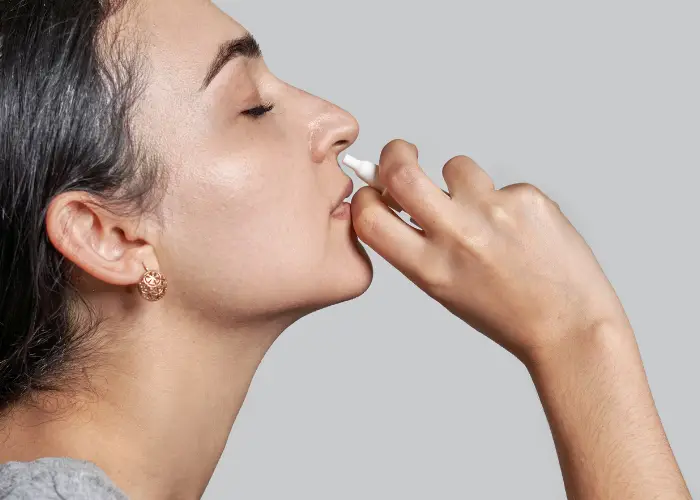
Patulous Eustachian Tube and Compounded Estradiol Nasal Spray
Patulous Eustachian tube (PET) is a frustrating condition in which the Eustachian tube stays abnormally open, leading to symptoms such as autophony, aural fullness, and audible breathing. Treatment options can be limited and inconsistent. Topical estrogen therapy has been used to help promote mucosal engorgement and reduce excessive tubal patency. Compounded estradiol nasal spray offers ENT physicians a targeted, flexible option to consider in appropriate patients.

Peptide Sourcing & Quality: What Patients & Prescribers Should Know
Peptides are frequently discussed in medical and research settings, but quality and regulatory oversight can differ widely. This article reviews what patients and prescribers should understand about sourcing, documentation, and compliance before evaluating any peptide-related product.
 Risks of Buying Peptides Online
Online peptide marketplaces have expanded rapidly, often with limited transparency about manufacturing practices and quality controls. This article examines regulatory issues, potential contamination risks, and other considerations when evaluating peptide products marketed online.

Compounding Pharmacy Quality Standards
Compounded medications begin with properly sourced pharmaceutical ingredients and documented quality processes. This article explains how compounding pharmacies verify active pharmaceutical ingredients, evaluate suppliers, and follow regulatory standards governing sterile and non-sterile compounding. Understanding these procedures can help physicians and patients better understand how compounded medications are prepared within licensed pharmacies.

Sermorelin and GLP-1 Medications: What to Know About Combination Therapy
GLP-1 medications such as semaglutide and tirzepatide have transformed medical weight management, delivering meaningful reductions in body weight and cardiometabolic risk. As clinical use expands, attention is shifting toward strategies that help patients optimize body composition — not just lose weight. This article reviews the emerging interest in using sermorelin alongside GLP-1 therapy to support lean mass preservation during pharmacologic weight loss.

Topical vs. Oral Estrogen in HRT
Oral and transdermal estrogen are both effective options for hormone replacement therapy—but they are not clinically identical. Key differences in metabolism, risk profile, and patient suitability can influence which route is most appropriate. This article breaks down the evidence to help inform treatment decisions.

Managing Acne in Patients on Testosterone Therapy
Testosterone therapy can improve how your patients feel—but it can also trigger acne through well-defined androgen pathways. Learn why it happens and how a targeted, mechanism-based approach can keep patients on therapy and satisfied.

FDA Signals Potential Expansion of Testosterone Therapy for Low Libido
The U.S. Food and Drug Administration is signaling potential expansion of testosterone therapy to include men with low libido and no identifiable cause of hypogonadism. While no changes have been made, this update points to growing regulatory interest in a broader patient population.
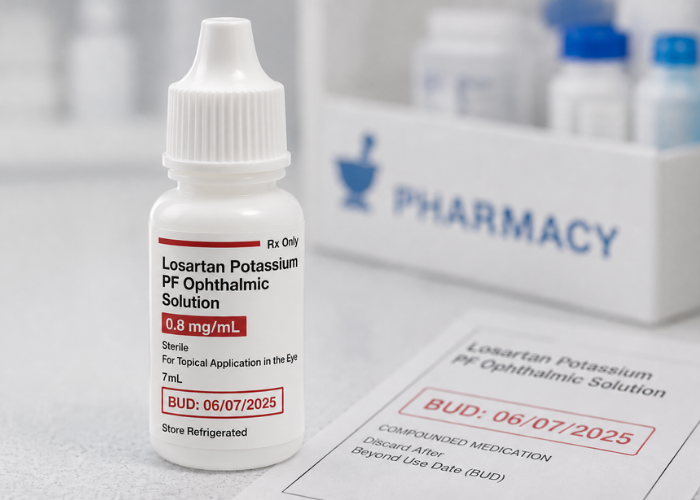
Why Compounded Eye Drops Have Shorter Beyond Use Dates
Why do compounded ophthalmic medications often carry much shorter beyond-use dates than commercial products? The answer lies in USP <797>, sterility risk management, and the unique requirements of sterile compounding.

When Weight Loss Becomes an ENT Complaint: PET Symptoms in Patients Using GLP-1s
As GLP-1 medications continue to drive significant weight loss for many patients, ENT specialists and primary care providers may begin seeing an increase in Patulous Eustachian Tube (PET) symptoms associated with rapid tissue loss. This article reviews the proposed connection between GLP-1–related weight reduction and PET, common patient presentations, and potential treatment considerations.

Demodex Blepharitis and Lash Extensions
Demodex blepharitis is gaining increased attention among eye care providers, particularly in patients who regularly wear lash extensions or false lashes. Chronic itching, irritation, collarettes, and persistent dry eye symptoms may be linked to Demodex overgrowth along the eyelid margin, leading more clinicians to take a closer look at the lash line during evaluation.

More Consistent Compounds. Better Patient Experience.
Consistency matters in compounded medications. Variability in formulation can affect dosing uniformity, texture, stability, and patient adherence. To help improve consistency across our compounded therapies, Massey Drugs has implemented advanced MAZ Mixer technology in our compounding process.

Avoid “Spiking” Vials and Prefilling Testosterone Syringes
Convenience shortcuts can sometimes compromise medication quality. In this article, we explain why “spiking” testosterone vials and prefilling syringes are not recommended, and outline the simple handling practices you can share with patients to help protect the safety and integrity of their medication.

While You Wait on Peptides: Longevity Therapies Available Today
Many people are asking what options are available while the future of peptide compounding continues to evolve. Fortunately, several compounded therapies are available today that may support healthy aging, energy, recovery, and overall wellness when prescribed by a licensed healthcare provider.

FDA Review Continues for Pediatric Myopia Therapy
The FDA continues reviewing the first potential pharmaceutical treatment for progressive pediatric myopia. Until an FDA-approved option becomes available, many eye care providers continue prescribing compounded low-dose atropine as part of their myopia management strategy.