

Naltrexone
Naltrexone that is compounded is prepared in much smaller doses than the standard 50 mg tablets used for opioid or alcohol dependence. At low doses—typically between 0.5 mg and 4.5 mg—naltrexone works differently in the body and is commonly prescribed for immune-related and inflammatory conditions.
Because commercially available tablets are manufactured at higher strengths, low-dose naltrexone (LDN) is most often dispensed by a compounding pharmacy as a capsule or oral suspension. This allows prescribers to tailor the dose to the patient and adjust gradually based on response.
LDN has gained significant interest in both integrative and conventional medicine. Many prescribers use it as part of a broader treatment strategy for autoimmune disorders, chronic pain syndromes, and inflammatory conditions.
What is Naltrexone?
Naltrexone is an opioid receptor antagonist. At standard doses (50 mg), it blocks opioid receptors to prevent the effects of opioids and reduce alcohol cravings.
At low doses, typically taken once daily at bedtime, naltrexone briefly blocks opioid receptors for a short period of time. This temporary blockade is thought to stimulate a rebound effect, increasing the body’s production of endorphins and modulating immune system activity.
LDN is not an opioid and is not addictive. It does not cause euphoria. Instead, it is used in low doses to support immune balance and reduce inflammation.
Massey Drugs compounds LDN as:
- Capsules in precise milligram strengths
- Oral suspension for patients who need flexible dosing or cannot swallow capsules
What Is Naltrexone Used For?
Compounded low-dose naltrexone is prescribed for a variety of conditions. While it is not FDA-approved for these uses, it is widely utilized in clinical practice.
Common uses include:
- Autoimmune disorders (such as multiple sclerosis, Hashimoto’s thyroiditis, and rheumatoid arthritis)
- Chronic pain conditions (including fibromyalgia and complex regional pain syndrome)
- Inflammatory bowel disease (Crohn’s disease and ulcerative colitis)
- Chronic fatigue syndrome
- Certain dermatologic autoimmune conditions
- Inflammation, pain and wound healing in the eye
- Adjunctive therapy in some cancer protocols (under physician guidance)
Because LDN works through immune modulation and anti-inflammatory pathways, it is often considered when conventional therapies are insufficient or not well tolerated.
Low-Dose Naltrexone (LDN) and Longevity
Low-dose naltrexone is gaining attention in longevity and anti-aging medicine because of its potential role in reducing chronic inflammation. As we age, low-level, ongoing inflammation—sometimes called “inflammaging”—is linked to many age-related conditions.
At low doses, naltrexone may help regulate immune activity and reduce inflammatory signaling. Some research suggests it may also influence microglial cells in the brain, which are involved in neuroinflammation. For this reason, some clinicians include LDN in broader longevity strategies focused on immune balance, cognitive health, and healthy aging.
There is no strong evidence that LDN extends lifespan. However, because of its safety profile at low doses and its potential impact on inflammation, it is increasingly used as part of comprehensive anti-aging and preventive care plans under medical supervision.
Possible Benefits of Low-Dose Naltrexone (LDN)
Patients and prescribers report several potential benefits of LDN therapy:
- Reduction in chronic pain
- Decreased inflammatory markers
- Improvement in fatigue
- Better sleep quality
- Support of immune system regulation
- Fewer autoimmune flares in some patients
One proposed mechanism involves temporary opioid receptor blockade leading to increased endogenous endorphin production. Endorphins influence immune signaling and inflammatory response. LDN is typically started at a low dose and gradually titrated. Some patients notice improvement within a few weeks, while others require several months of therapy.
Are There Side Effects?
Low-Dose Naltrexone is generally well tolerated. Because the dose is significantly lower than standard naltrexone therapy, side effects are typically mild.
Possible side effects include:
- Vivid dreams
- Sleep disturbances (especially when first starting)
- Headache
- Gastrointestinal discomfort
These effects are often temporary and may resolve with dose adjustment or timing changes. Unlike full-dose naltrexone, liver toxicity is uncommon at low doses, but prescribers may still monitor liver function depending on the patient’s history.
Who Might Benefit from Low-Dose Naltrexone (LDN)?
LDN may be appropriate for:
- Patients with autoimmune disorders seeking additional immune support
- Individuals with chronic inflammatory conditions
- Patients with fibromyalgia or centralized pain syndromes
- Those who have not responded well to standard therapies
Because LDN is compounded, it allows for individualized dosing. This flexibility is particularly helpful in patients who are medication-sensitive or require gradual titration. Both general practitioners and specialists—including rheumatologists, neurologists, gastroenterologists, and integrative medicine physicians—commonly prescribe LDN.
Who Should Not Take Low-Dose Naltrexone (LDN)?
LDN should not be used in:
- Patients currently taking opioid medications (including tramadol or opioid pain relievers)
- Individuals dependent on opioids
- Patients undergoing opioid-based pain management
Because naltrexone blocks opioid receptors, it can precipitate withdrawal in patients actively using opioids. Patients should always disclose all medications and supplements to their healthcare provider before starting LDN.
Frequently Asked Questions (FAQs)
Can Low-Dose Naltrexone (LDN) be taken with other medications?
In many cases, yes. LDN is often used alongside thyroid medications, biologics, antidepressants, and other therapies. However, it should not be used with opioid medications. Patients should review their full medication list with their prescriber before starting LDN.
Will Low-Dose Naltrexone (LDN) cause weight gain?
Weight gain is not a common side effect of LDN. Some patients report improved energy and better regulation of inflammation, which may indirectly support weight management. Individual responses vary.
Does Low-Dose Naltrexone (LDN) suppress the immune system?
No. LDN is generally considered an immune modulator, not an immune suppressant. Instead of shutting down immune function, it is thought to help regulate immune activity. This is why it is often considered in autoimmune conditions.
States We Serve
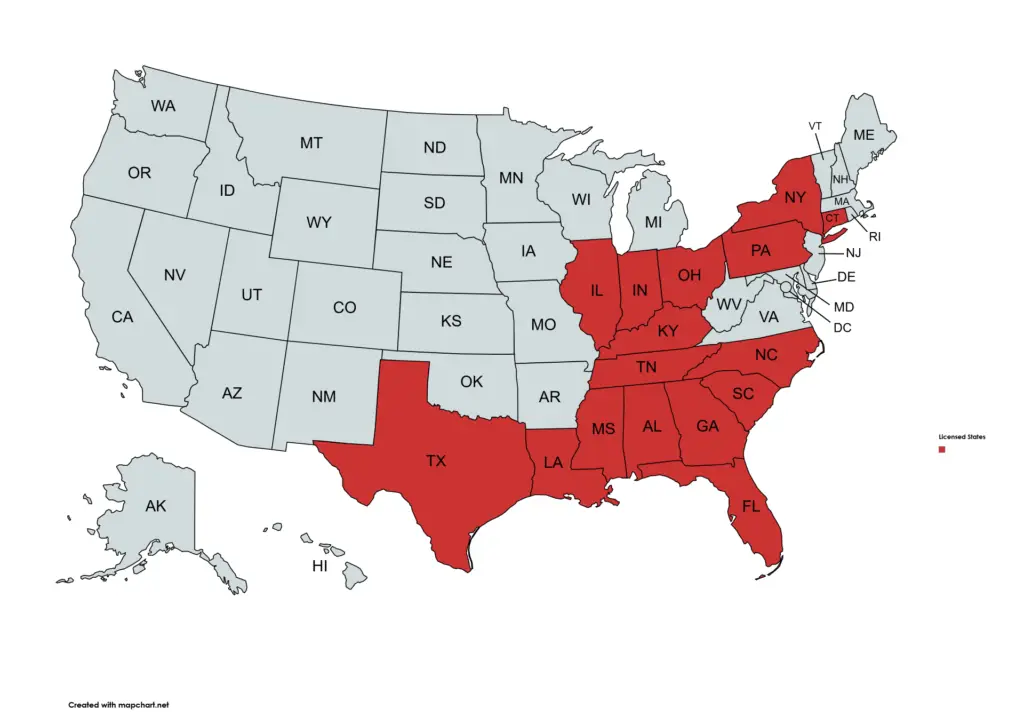
Massey Drugs is a 503A, NABP accredited compounding pharmacy licensed to ship medications to patients in the following states:
Alabama, Tennessee, Mississippi, Louisiana, Georgia, Florida, North Carolina, South Carolina, Kentucky, Illinois, Indiana, Ohio, Pennsylvania, New York, Connecticut, and Texas.
How to Prescribe
Download Rx Blank from the Practitioner Portal and send to Massey Drugs:
FAX: 800.637.2601
Phone: 833.540.3500
OR
e-Scribe: NPI#: 1295756245 | NCPCP#: 0127553
Massey Drugs | Cloverdale Road
Upon receipt of prescription, Massey Drugs contacts the patient to confirm shipping address and credit card payment.
Medication ships to patient UPS Ground once processed.
Massey Drugs provides competitively priced compounds with transparent, prescriber-accessible pricing.
All compound pricing can be viewed in our Practitioner Portal so costs can be communicated to patients before prescribing.
Speak with a Pharmacist
If you have questions about compounding, dosing considerations, or appropriate clinical use, our pharmacists are available to consult.
Call 833-540-3500 to speak directly with a pharmacist.
Resources
Low-dose naltrexone extends healthspan and lifespan in C. elegans via SKN-1 activation
National Library of Medicine, PubMed
The use of low-dose naltrexone (LDN) as a novel anti-inflammatory treatment for chronic pain
National Library of Medicine, PubMed
Explore all our longevity and anti-aging compounds.