
PHMB – Polyhexamethylene Biguanide 0.02% Ophthalmic Solution
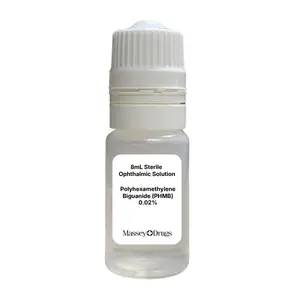
Quantity: 8 mL
Sig: Place 1 drop in affected eye every hour while awake.
Price: $130 + UPS Next Day Shipping (required). Login to the Practitioner Portal for all ophthalmic compounds pricing.
Sterile compounded ophthalmic preparation available by prescription. The FDA does not review any compounded medication for safety or efficacy.
What is Polyhexamethylene Biguanide (PHMB) 0.02% Ophthalmic Solution?
PHMB 0.02% ophthalmic solution is a compounded sterile eye drop formulated for topical ophthalmic use.
PHMB is widely used as an antimicrobial agent and has been adapted in ophthalmology for its anti-amoebic properties. It is most often discussed in the treatment of Acanthamoeba keratitis, either alone or in combination with other agents such as chlorhexidine or diamidines.
Compounding allows for the preparation of ophthalmic concentrations suitable for intensive therapeutic regimens.
What is the Mechanism of Action?
PHMB works by:
- Disrupting microbial cell membranes
- Increasing cell permeability
- Leading to cell lysis and death
In Acanthamoeba infections, PHMB is particularly valued for its activity against both:
- Trophozoites (active form)
- Cysts (resistant form)
This dual activity is critical in managing infections that can otherwise persist or recur.
Clinical Scenarios Where Ophthalmologists Explore PHMB 0.02% Ophthalmic Solution
Ophthalmologists may consider this compounded formulation in scenarios such as:
- Suspected or confirmed Acanthamoeba keratitis
- Contact lens–associated keratitis, especially with severe pain or atypical findings
- Ring infiltrates or non-healing corneal ulcers suggestive of amoebic infection
- Combination anti-amoebic therapy, often used alongside other topical agents
- Cases requiring intensive, frequent dosing
These cases are typically managed by ophthalmologists experienced in corneal disease and infectious keratitis.
Why Ophthalmologists Choose Massey Drugs
- Sterile compounding laboratory experienced in ophthalmic preparations
- Preservative-free formulations tailored for ocular use
- Direct pharmacist access for clinical questions
- Fast turnaround with patient shipment typically within 24–48 hours
- Experience working with corneal specialists and surgical practices
- NABP Accredited Compounding Pharmacy
States We Serve
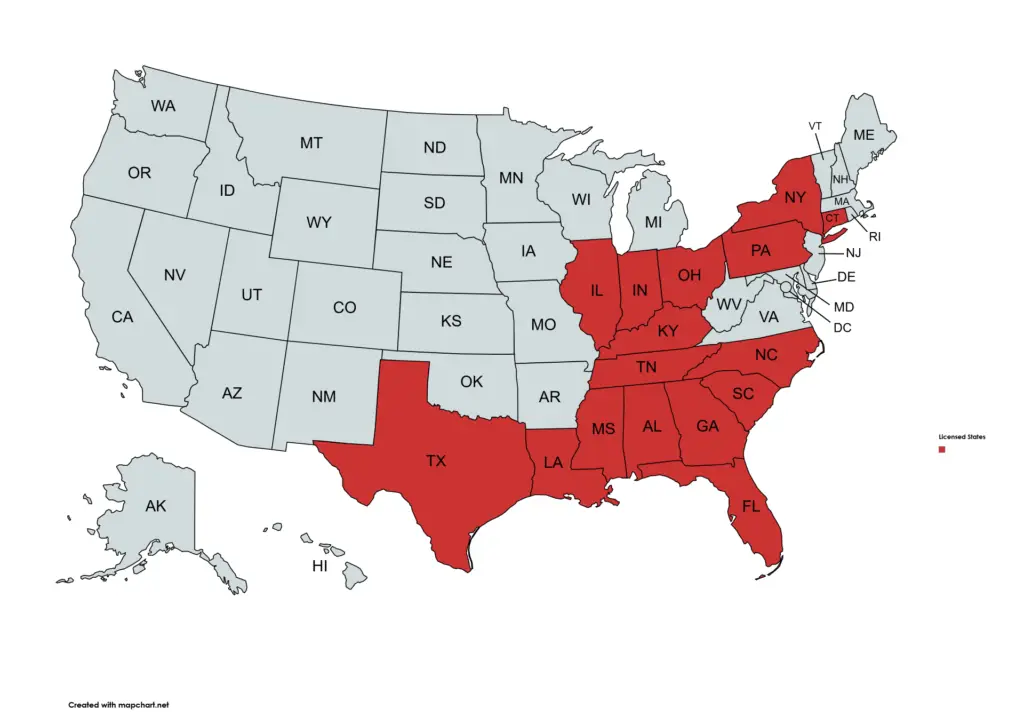
Massey Drugs is a sterile ophthalmic compounding pharmacy licensed to ship ophthalmic solutions to patients in: Alabama, Tennessee, Mississippi, Louisiana, Georgia, Florida, North Carolina, South Carolina, Kentucky, Illinois, Indiana, Ohio, Pennsylvania, New York, Connecticut, and Texas.
How to Prescribe Polyhexamethylene Biguanide (PHMB) 0.02% Ophthalmic Solution
Download Rx Blank from the Practitioner Portal and send to Massey Drugs:
FAX: 800.637.2601
Phone: 833.540.3500
OR
e-Scribe: NPI#: 1295756245 | NCPCP#: 0127553
Massey Drugs | Cloverdale Road
Upon receipt of prescription, Massey Drugs contacts the patient to confirm shipping address and credit card payment.
Medication ships to patient Next Day Air once processed.
Massey Drugs provides competitively priced compounded ophthalmic eye drops with transparent, prescriber-accessible pricing. All compound pricing can be viewed in our Practitioner Portal so costs can be communicated to patients before prescribing.
Speak with a Pharmacist
If you have questions about ophthalmic compounding, formulation options, or whether this therapy may be appropriate for a specific clinical scenario, our pharmacists are available to consult. Call 833-540-3500 or contact us.
Frequentley Asked Questions
Why is PHMB dosed as frequently as every hour?
Acanthamoeba keratitis requires sustained antimicrobial exposure, and frequent dosing helps maintain therapeutic drug levels against both active and cyst forms.
Why is PHMB used in combination therapy?
Combination therapy may be used to enhance anti-amoebic activity and address different stages of the organism’s life cycle, depending on provider preference.
How long is PHMB therapy typically continued?
Treatment duration can be prolonged and is guided by clinical response, symptom improvement, and corneal findings, often requiring close follow-up.
Additional Ophthalmic Compounding Capabilities
We compound additional sterile ophthalmic therapies used for:
- Post-operative Care
- Emergency & Infection Management
- Emergency & Corneal Scarring Support
- Glaucoma Compounding
- Myopia Management
Explore our full range of ophthalmic compounding capabilities.